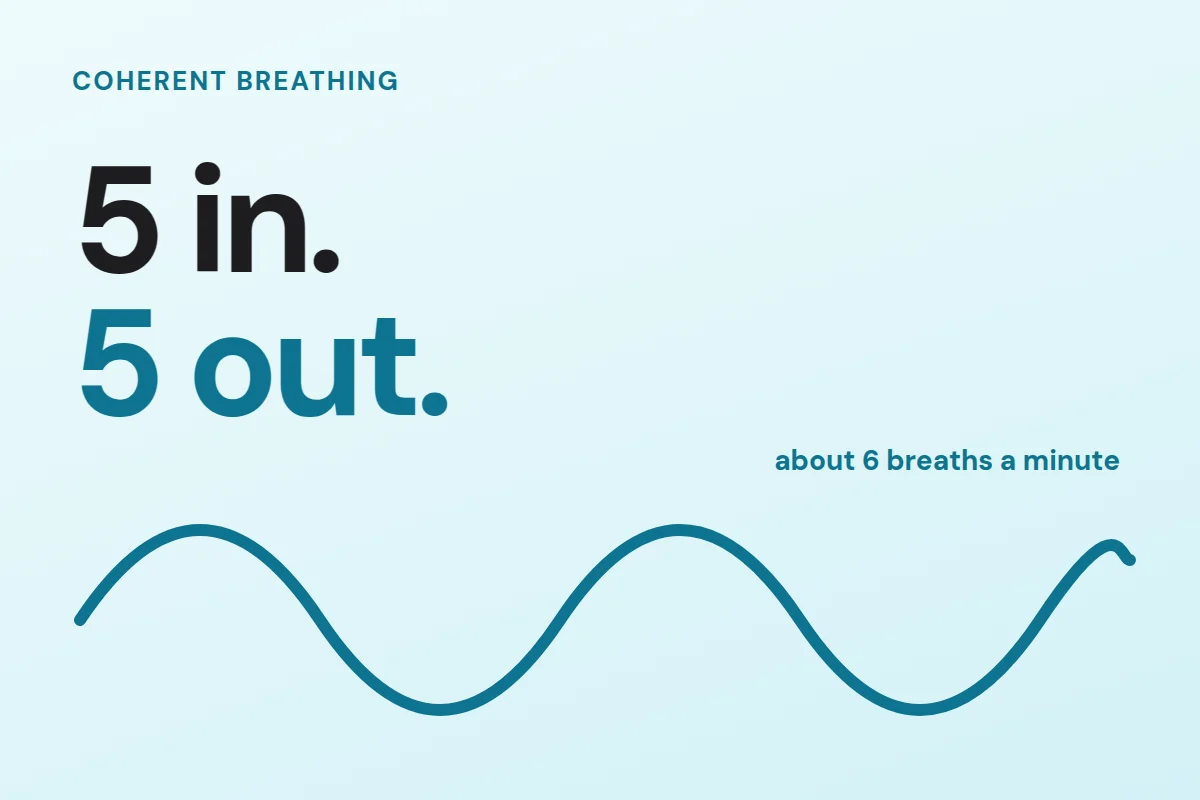
Coherent Breathing: How to Breathe 5 to 6 Times a Minute
Coherent or resonance breathing means about 5 to 6 slow breaths a minute. How to do it, why that pace is special, and what the research shows.
Reading on Paper vs Screens: Which Helps You Understand More?
Is it better to study from paper or a screen? A large research review found an advantage for paper with informational texts. Here is why, and what to do.
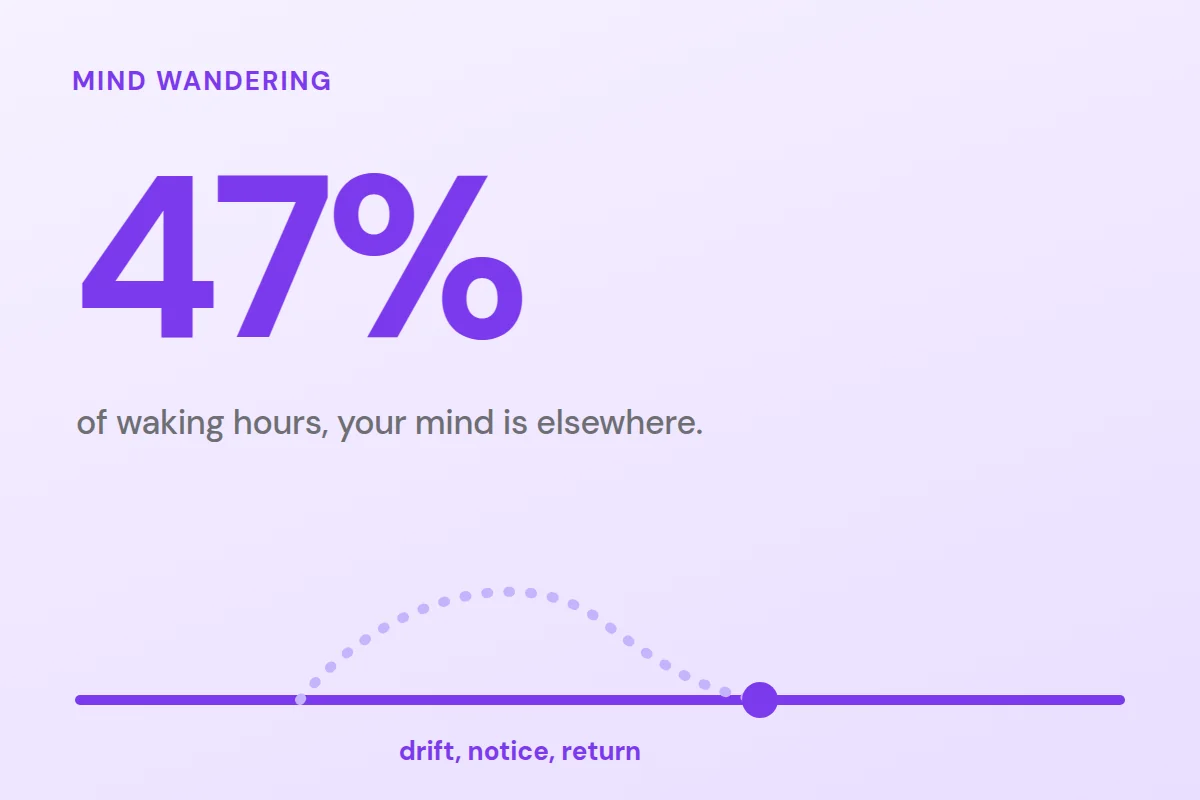
Mind Wandering: Why Your Mind Drifts and How to Bring It Back
Your mind wanders almost half the time you are awake. Why it happens, when it helps, and simple ways to bring your attention back.
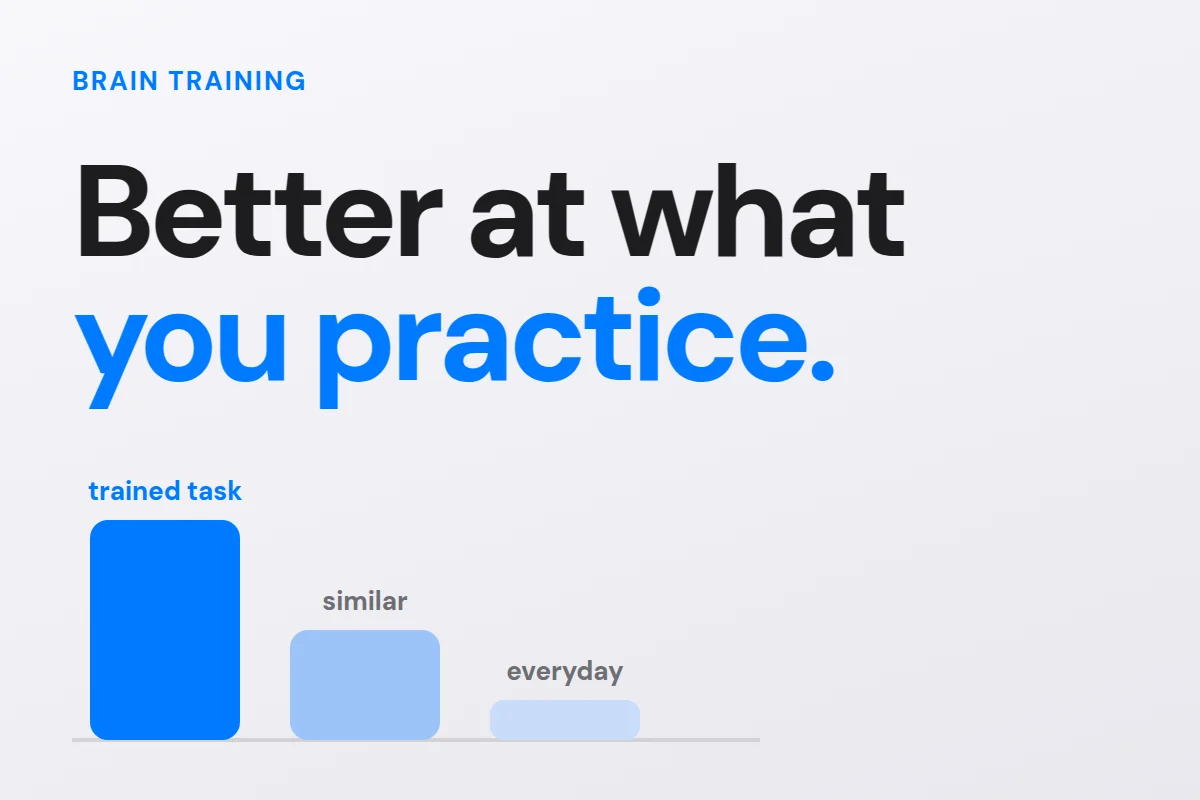
Does Brain Training Actually Work? An Honest Look at the Evidence
Brain games make you better at brain games. What the research says about transfer, what training can and cannot do, and how to use it well.
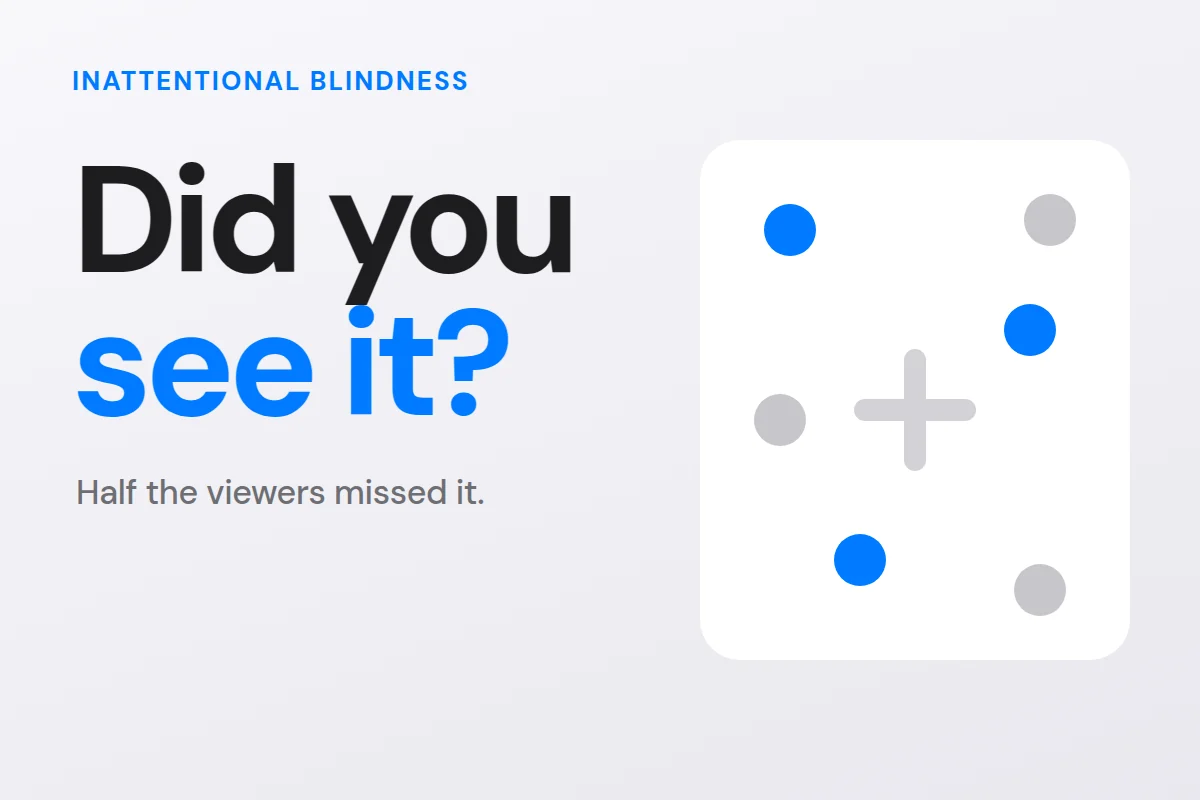
The Invisible Gorilla: Why We Miss Things in Plain Sight
Half the people counting basketball passes missed a person in a gorilla suit. What inattentional blindness teaches us about focus and phones.
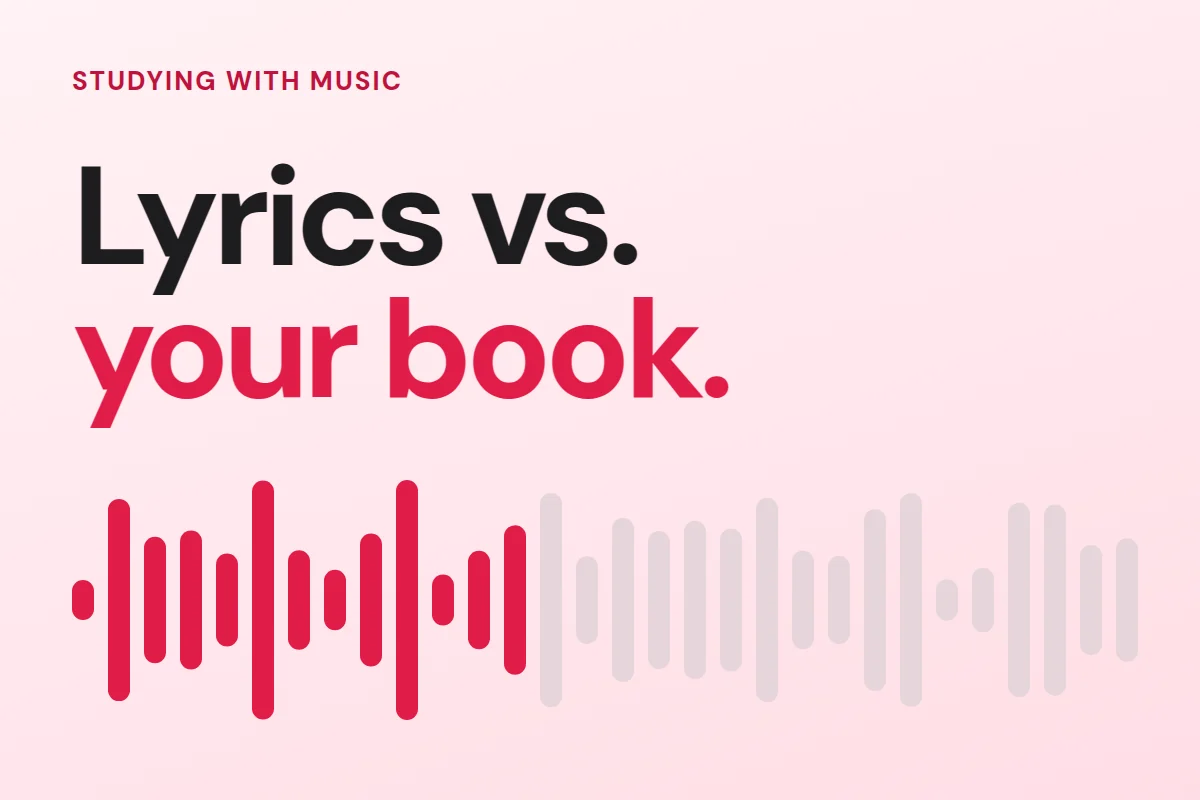
Does Music Help You Study? What Research Says About Lyrics
Studying with music on? Research shows songs with lyrics hurt reading most, even songs you like. When music helps, when it hurts, and what to do.
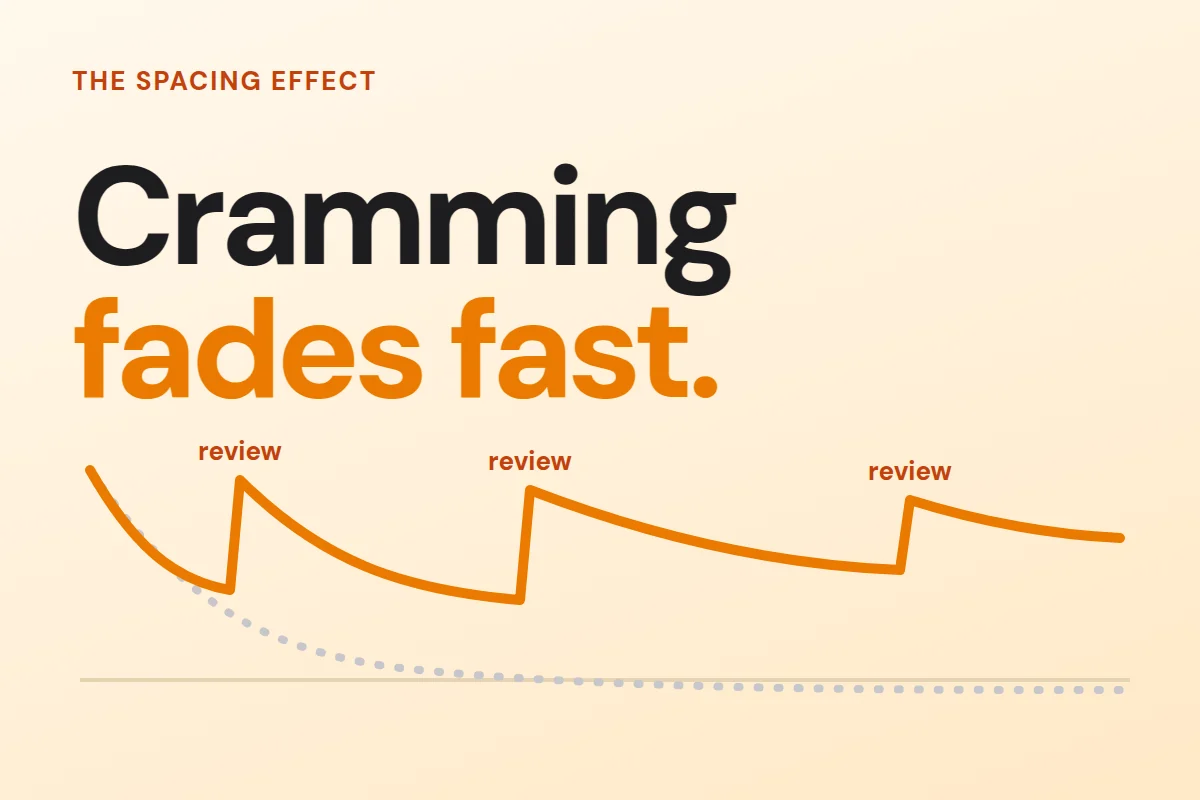
The Spacing Effect: Why Cramming Fails and What to Do Instead
The same study hours, spread across days, are remembered far better than one long session. How the spacing effect works and a simple schedule.
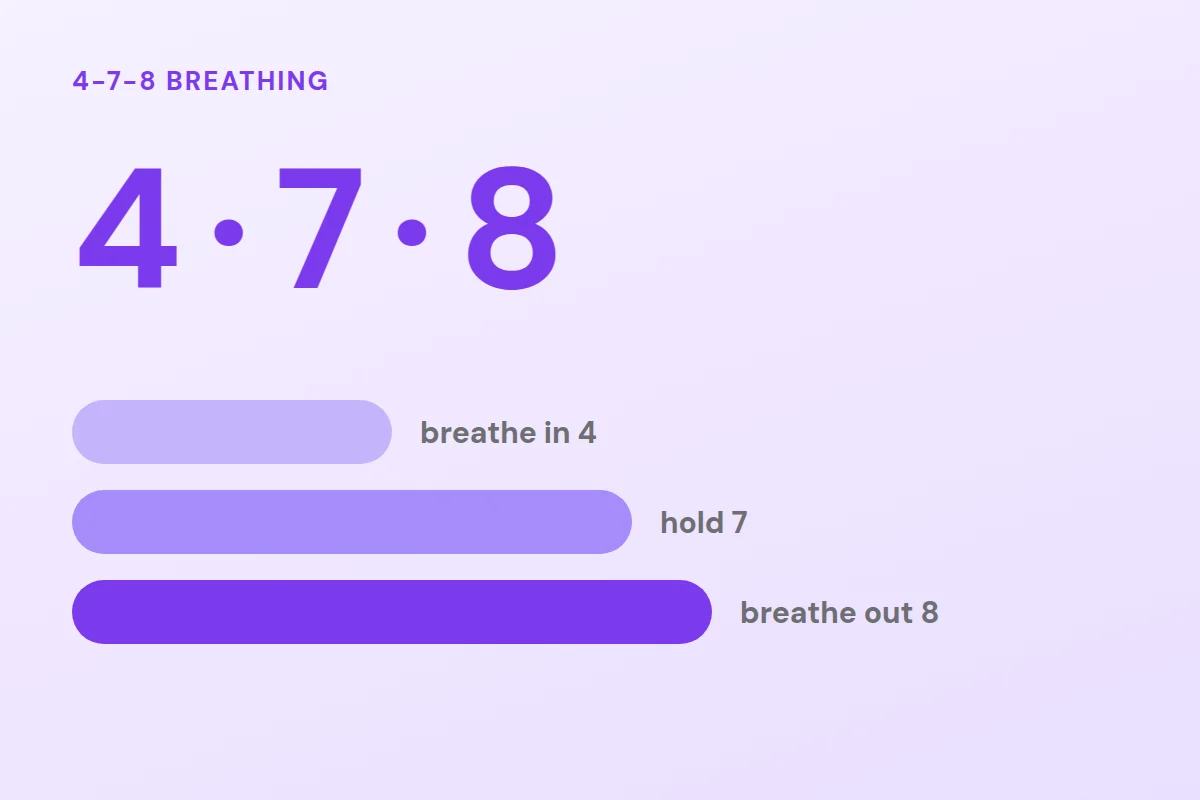
4-7-8 Breathing: How to Do It and Does It Help You Sleep?
Breathe in for 4, hold for 7, breathe out for 8. How to do 4-7-8 breathing, why the long exhale matters and what the evidence says.
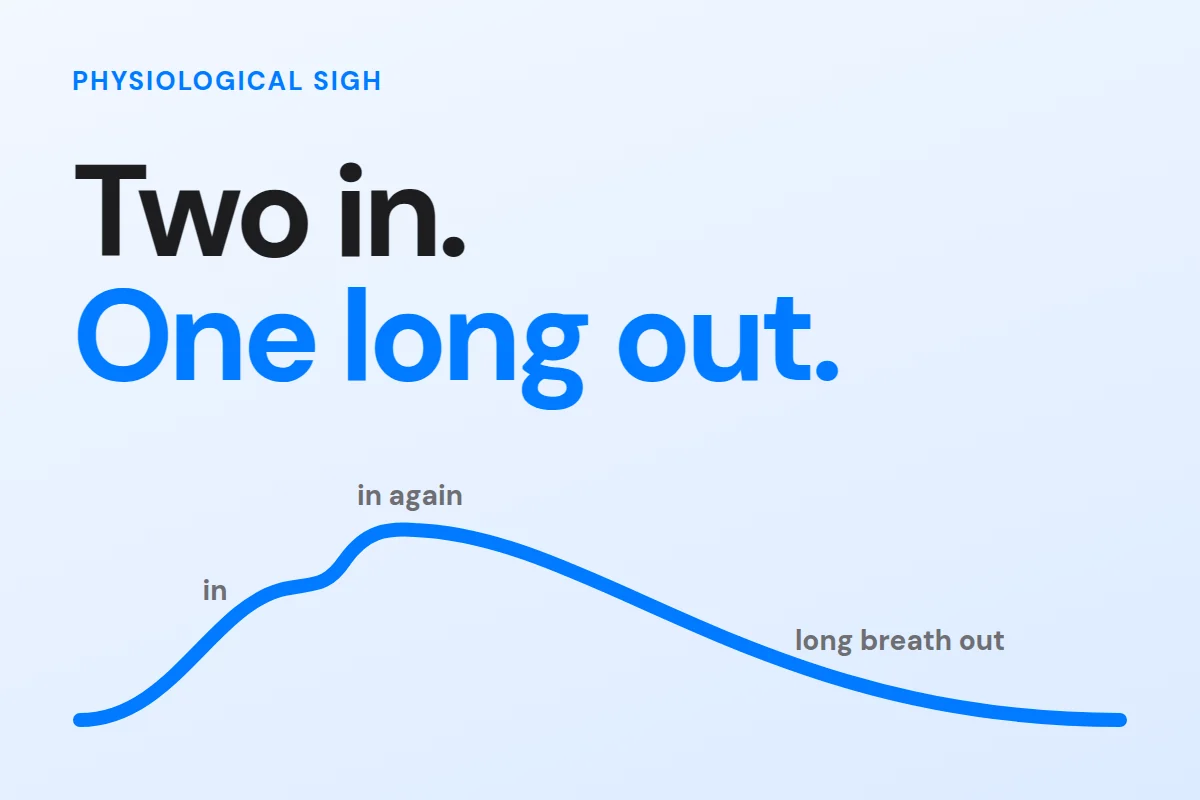
The Physiological Sigh: How to Calm Down Fast
Two breaths in through the nose, one long breath out. How the physiological sigh works, how to do it and what a 2023 study found.
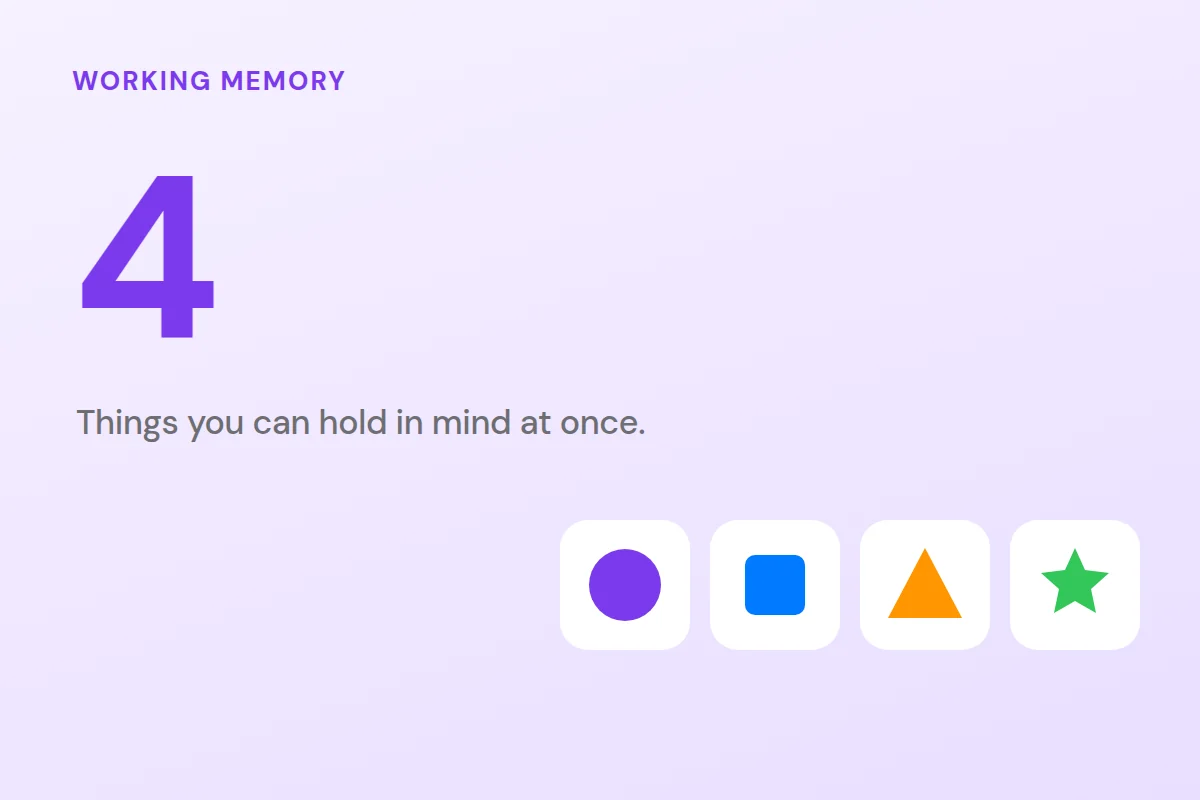
How to Improve Working Memory: Types of Memory and Spaced Review
Working memory holds about four things at once. The main types of memory explained simply, and proven ways to remember more.
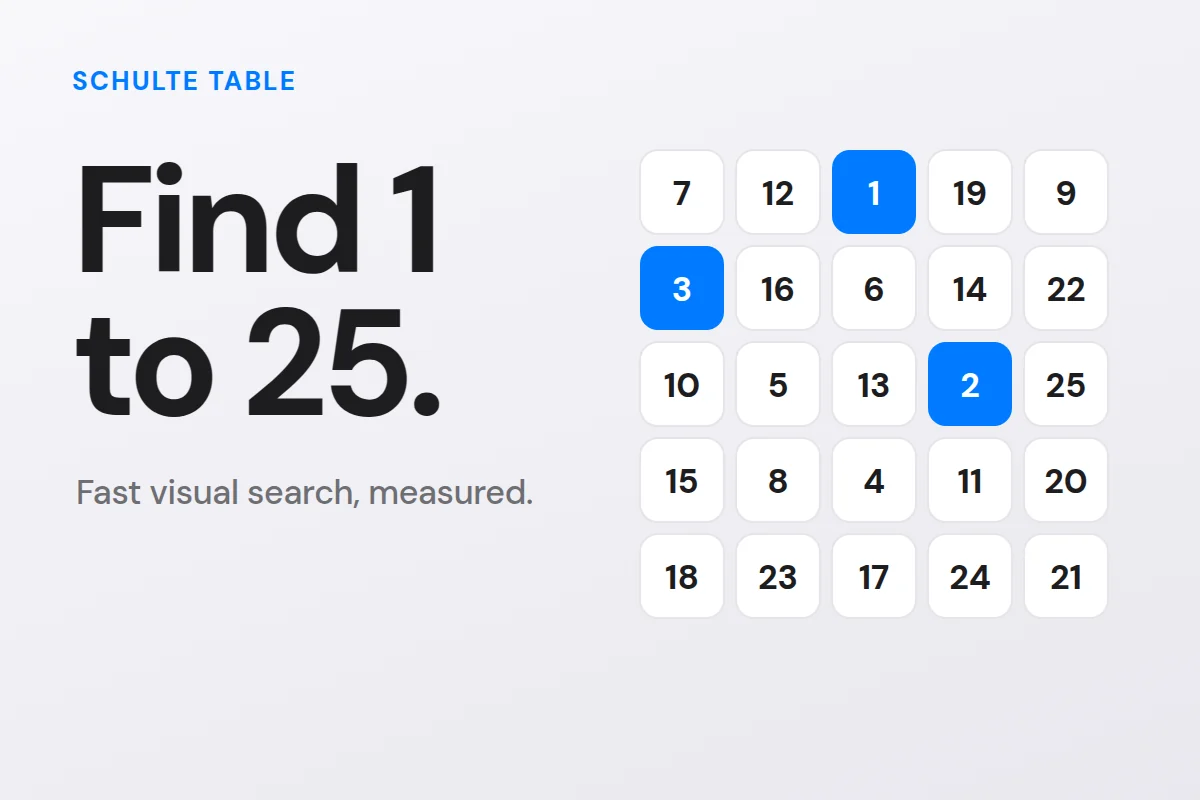
Does the Schulte Table Work? What the Evidence Says
Does the Schulte table really improve focus or reading speed? An honest look at the evidence, plus average completion times.
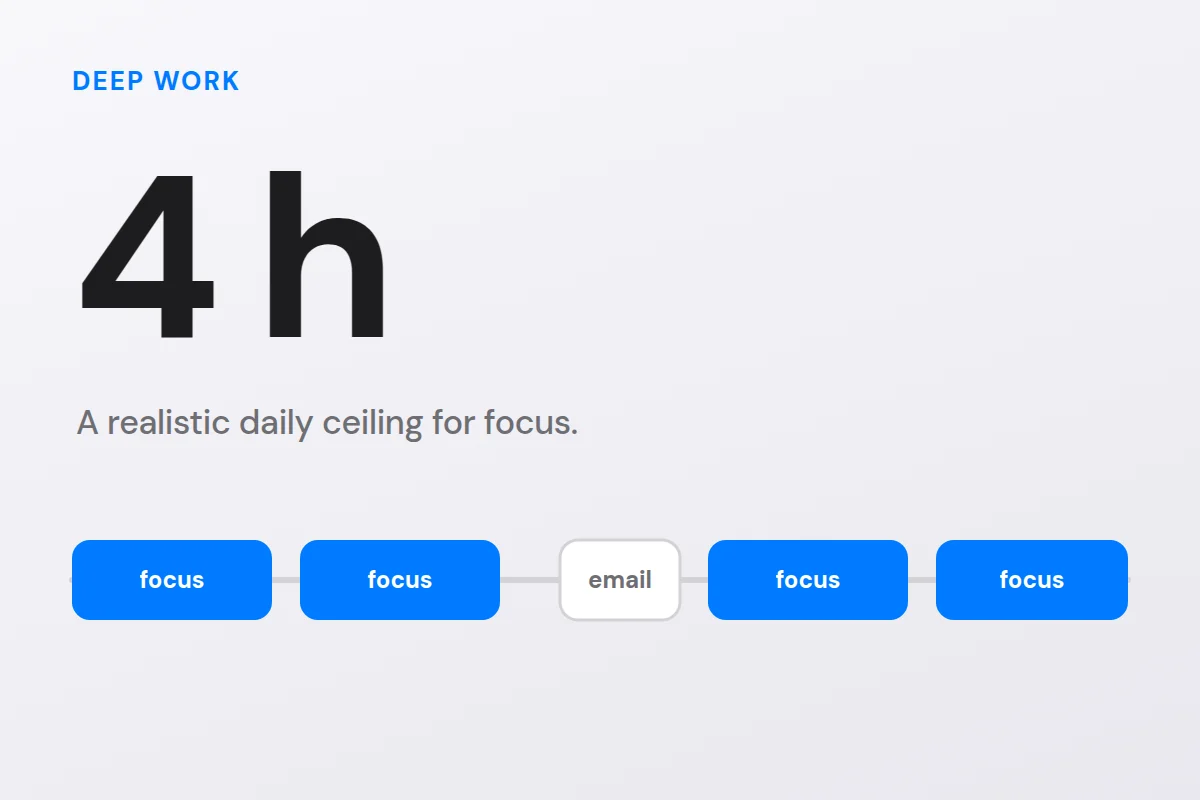
Deep Work: Cal Newport's 4 Rules and a Simple Daily Routine
Deep work is focused, distraction-free work on hard tasks. Cal Newport's four rules explained simply, with a daily routine you can start today.
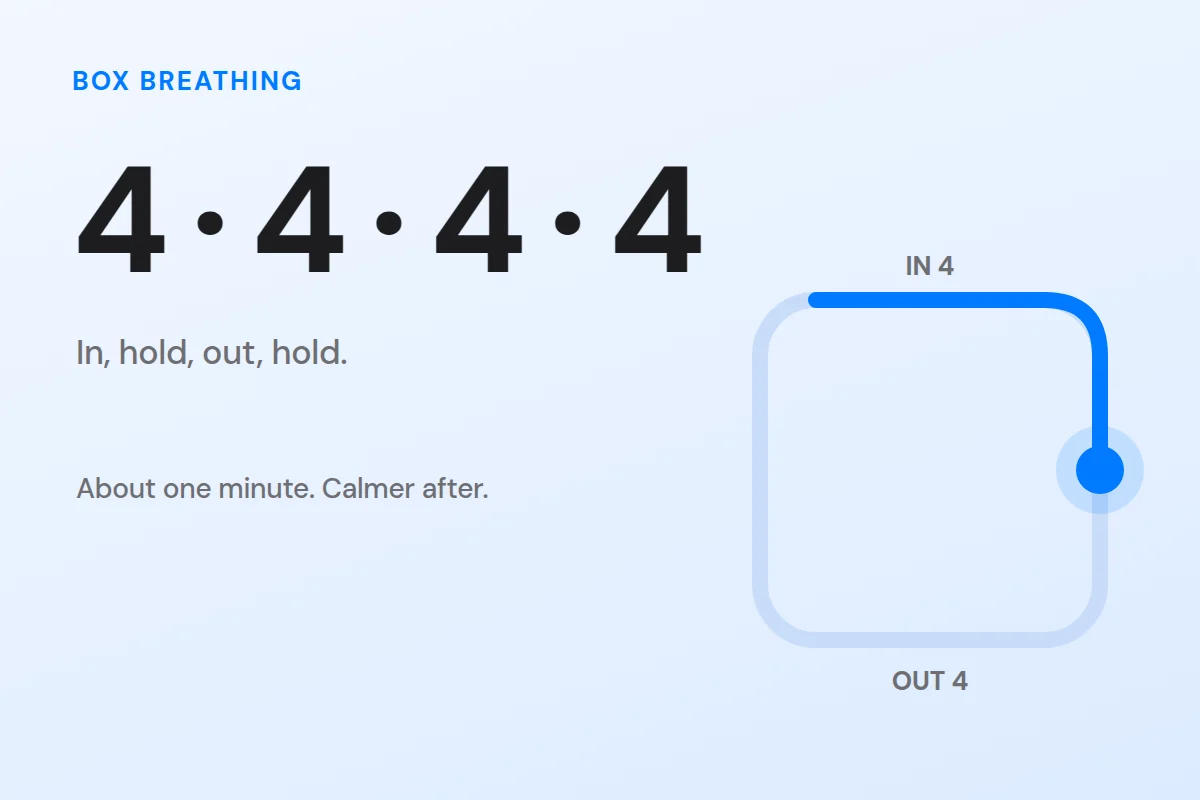
How to Do Box Breathing: The 4-4-4-4 Method, Step by Step
Box breathing means breathing in, holding, breathing out and holding for 4 seconds each. How to do it, when to use it and what research says.
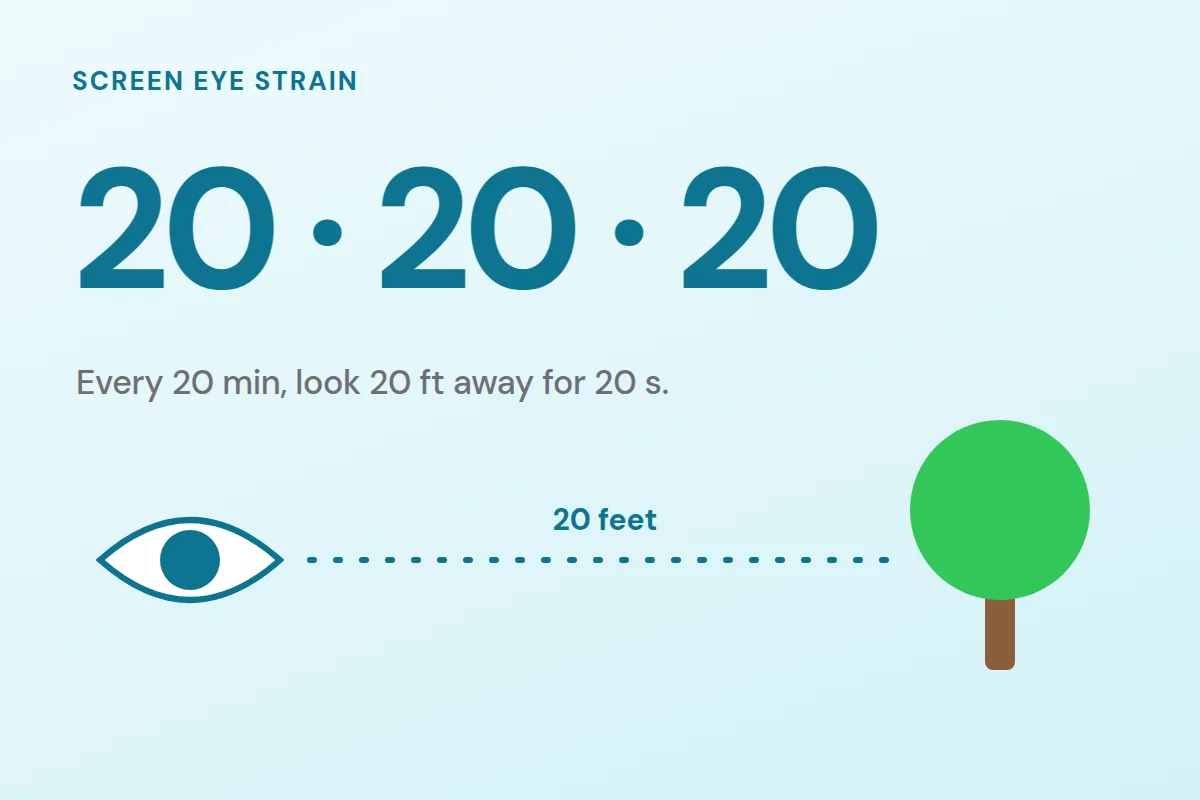
The 20-20-20 Rule: Easy Relief for Screen Eye Strain
Every 20 minutes, look 20 feet away for 20 seconds. How the 20-20-20 rule eases screen eye strain, plus simple habits that help.
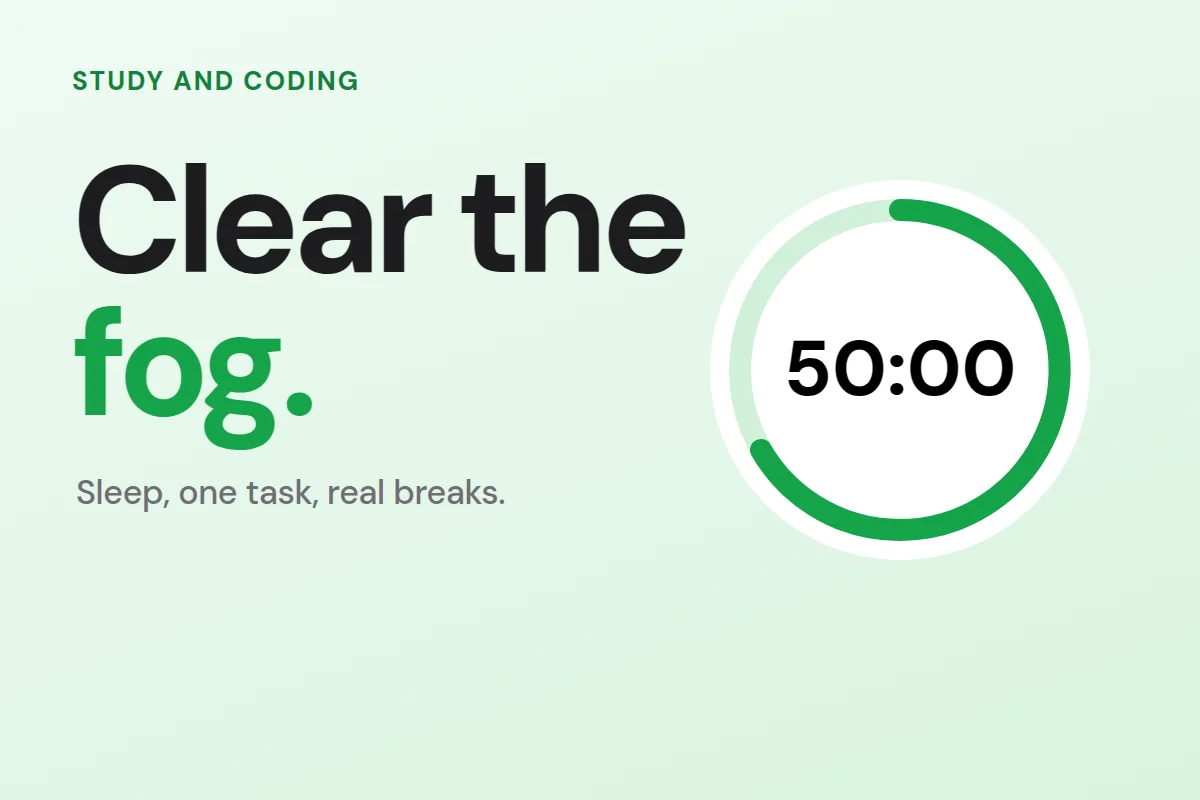
How to Beat Brain Fog When Studying or Coding
Brain fog makes simple ideas feel hard. Practical steps to clear it before and during long study or coding sessions.
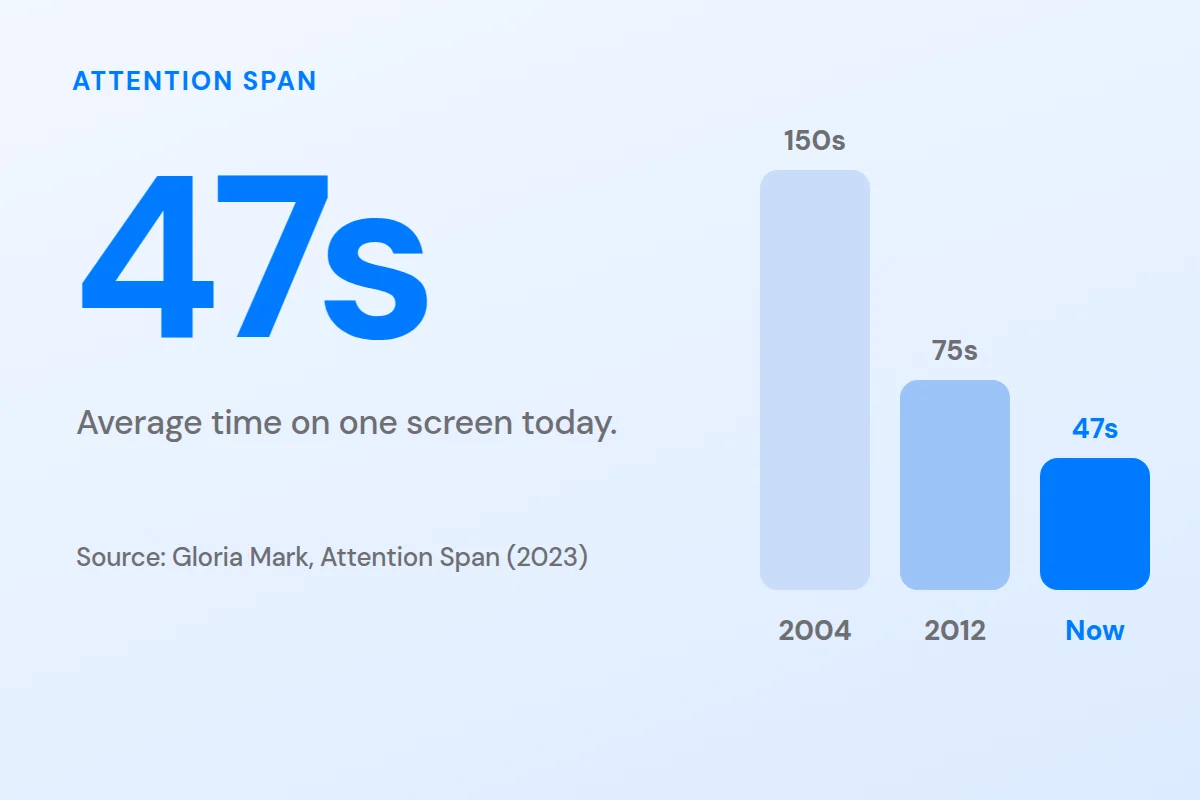
Why Is My Attention Span So Short? What the Research Says
People now switch screens about every 47 seconds. Why attention feels shorter, what the famous goldfish claim gets wrong, and how to rebuild focus.
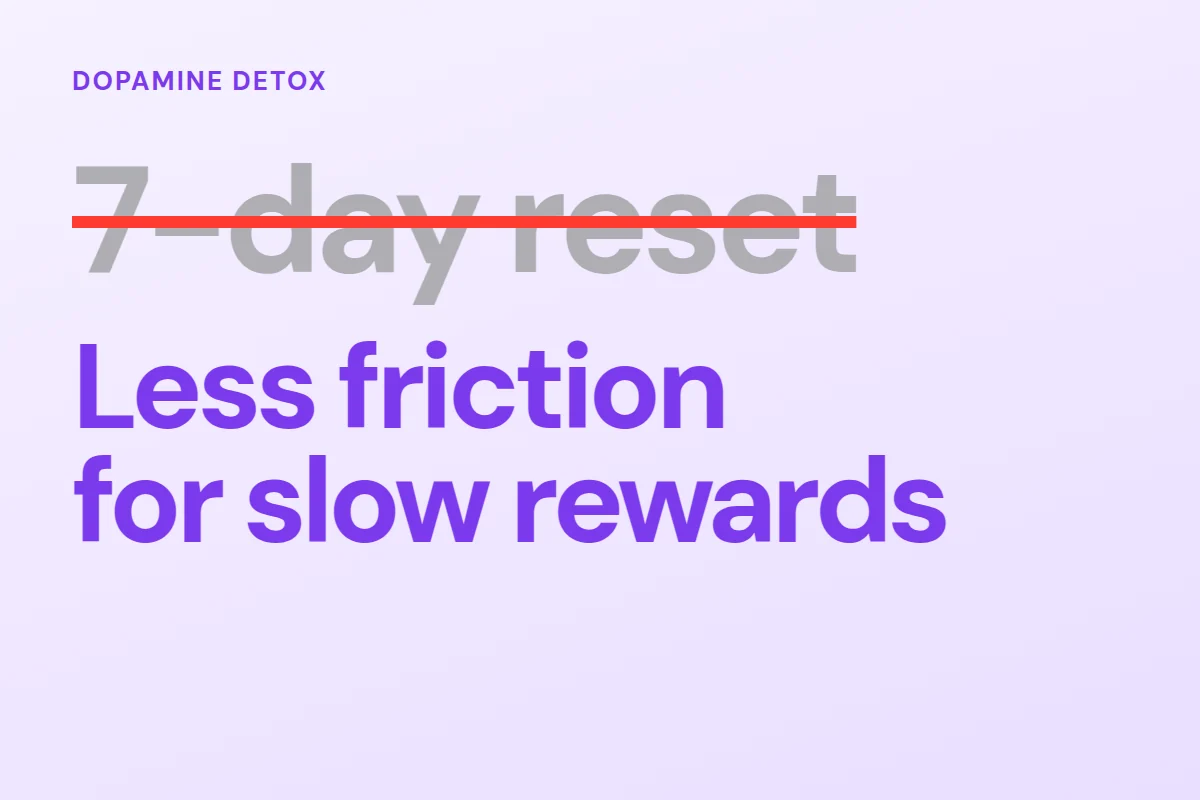
Dopamine Detox: What Actually Works for Low Motivation
A dopamine detox will not reset your brain chemistry, but the idea behind it can help. What the science says and a simple plan that works.
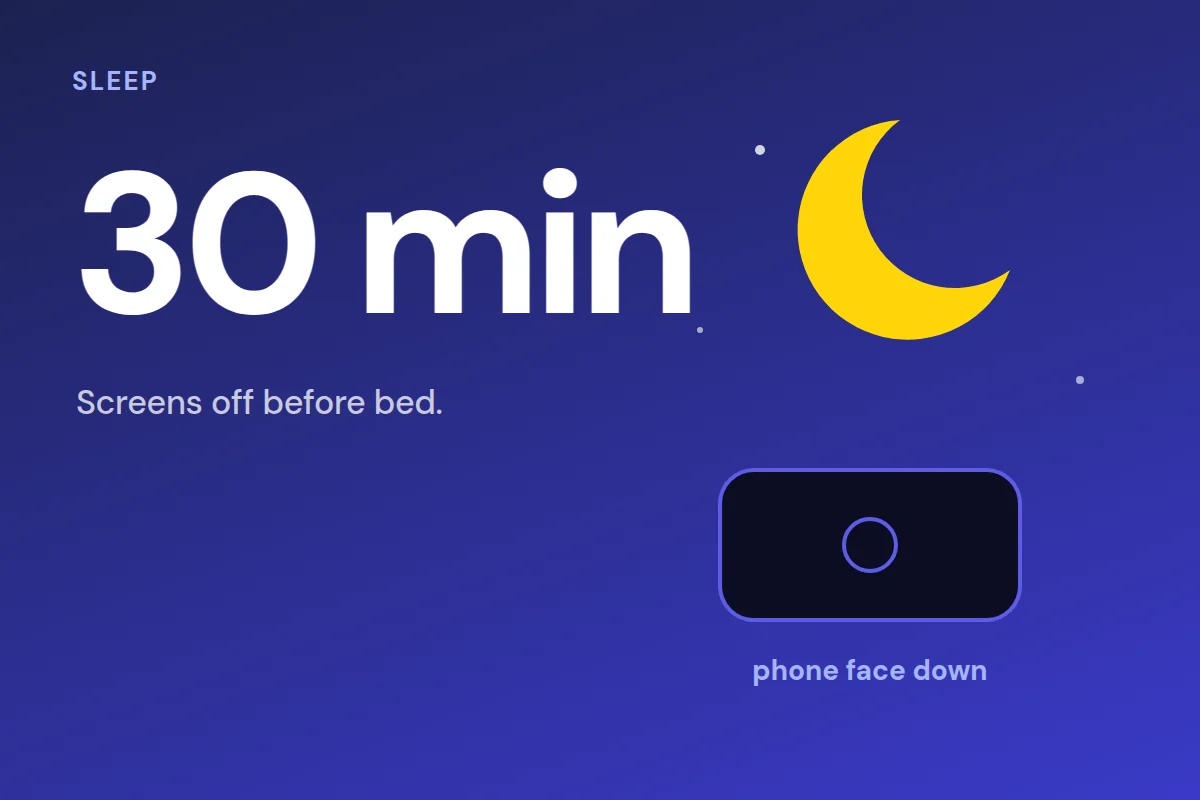
How to Stop Doomscrolling Before Bed and Sleep Better
Scrolling in bed delays sleep and leaves you groggy. Why it happens and a simple wind-down routine that helps you put the phone down.
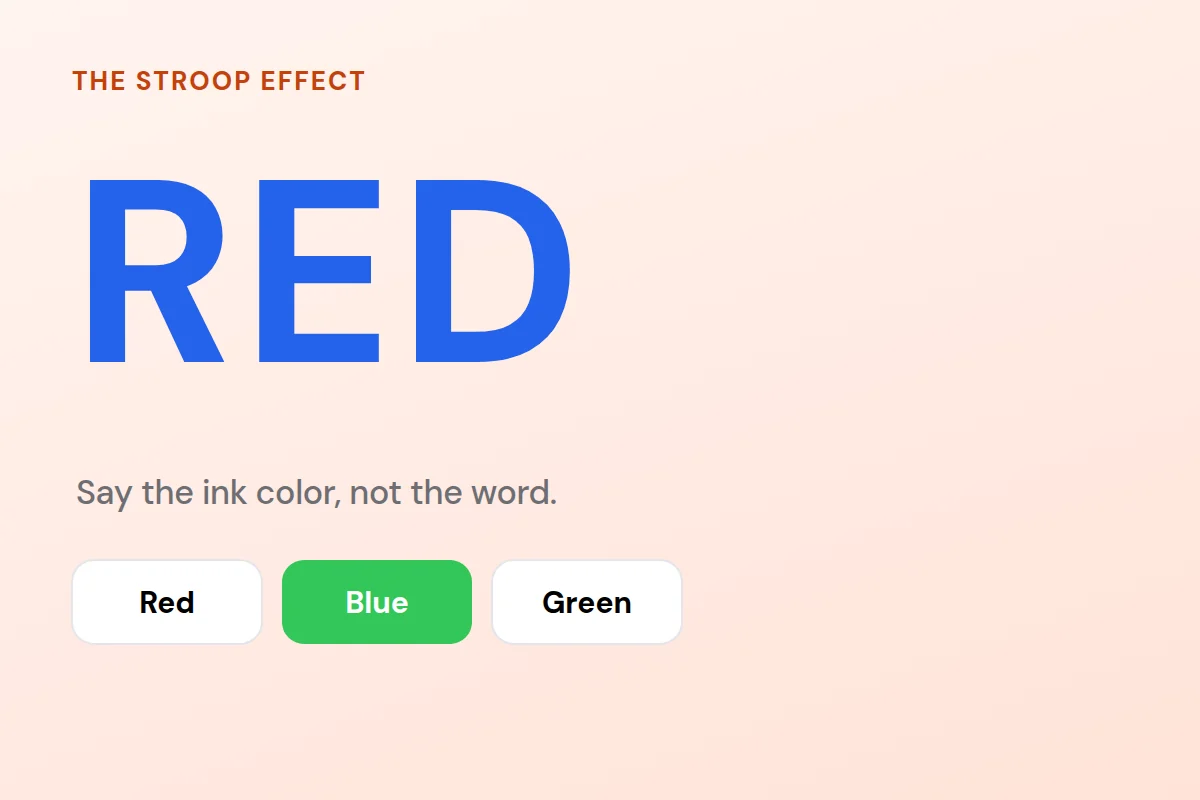
The Stroop Effect: Why RED in Blue Ink Is Hard to Name
Why is it hard to name the ink color when the word spells a different color? The Stroop effect explained simply, and how to practice it.